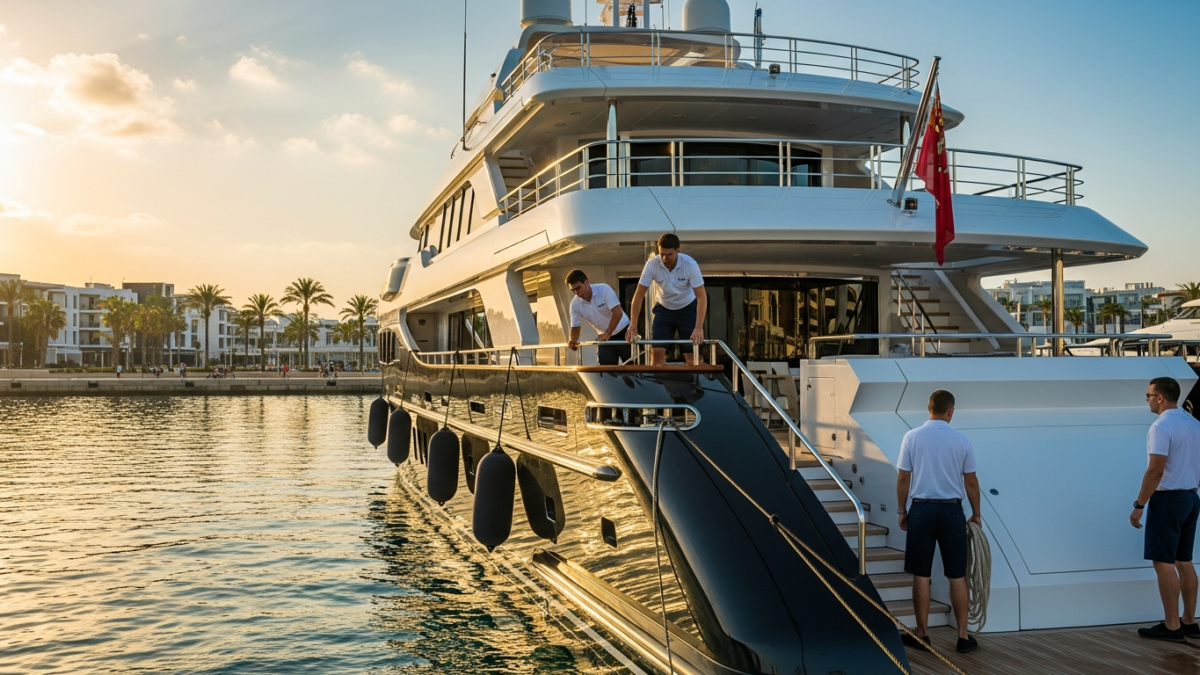
Yacht crew jobs from Limassol Marina now span everything from €1,800-per-month entry-level deckhand work to chief engineer roles paying €120,000 a year on the largest superyachts. Limassol has quietly become one of the busiest crew-recruitment hubs in the Eastern Mediterranean, hosting around 650 berths across the marina and the wider port and serving as a logistics base for boats running summer routes from Greece to Israel and winter charters in the Caribbean. If you have any maritime training — or are willing to do the basic STCW course in Cyprus — this is a real career path that almost no one outside the industry understands clearly.
Key Takeaways
- Junior deckhand on a 30–40m yacht out of Limassol Marina: €2,500–€3,500/month plus tips and full board
- Senior captain on a 50m+ yacht: €11,000–€16,000/month with profit share on charters
- Stewards and chefs on charter season earn 20–30% more than equivalent shore-side hospitality roles
- STCW Basic Safety Training (~€650) is the non-negotiable entry ticket for any deck or interior role
- Mediterranean season runs April to October, with the best Limassol-based yachts crewing up by mid-February
Here is how the market actually works, what each role pays in 2026, and the steps to land your first contract from Limassol Marina.
Why Limassol Marina is a serious crew-hiring hub
Three things made Limassol a centre for yacht crew recruitment over the last decade. The marina opened in 2014 with deep-water berths capable of holding 110m+ vessels, drawing a steady fleet of superyachts. Cyprus’s flag (the registry runs through the Department of Merchant Shipping in Limassol) is one of the most used in commercial-yacht registration. And the city’s tax regime, work-permit ease for non-EU crew, and English-language working environment made it the natural off-season base for hundreds of seasonal crew.
The result is an active, year-round hiring market that runs through both formal crew agencies and informal marina dockwalking — both still work in 2026.
Yacht crew salary bands from Limassol 2026
Yacht crew pay is conventionally quoted in monthly USD or EUR for live-aboard contracts (food, accommodation, laundry included). Annual figures below assume 12 months of contracted work; many crew work 9–10 months and use the off-season for training or rest. Tips on charter boats can add 20–60% to take-home pay during charter season.
- Junior Deckhand (entry, no experience): €2,000–€2,800/month. STCW Basic Safety + ENG1 medical required.
- Experienced Deckhand (1–3 years): €2,800–€4,000/month. Powerboat Level 2, AEC engineering, tender driving experience.
- Bosun: €4,000–€5,500/month. Senior deck position, RYA Yachtmaster Offshore typical.
- Mate / Chief Officer (50–70m): €5,500–€8,500/month. OOW (Yachts) or Master 200/500 ticket required.
- Captain (40–60m yacht): €7,500–€12,000/month — typically Master 500GT.
- Captain (60–100m+ yacht): €10,000–€18,000/month and up — Master 3000GT and substantial command experience.
- Junior Stewardess (entry): €2,000–€2,800/month. STCW + GUEST programme highly recommended.
- Chief Stewardess (50–80m): €4,500–€7,500/month. Wine and service training, HR maturity, multilingual a plus.
- Junior Engineer (Y4/Y3): €3,500–€5,500/month.
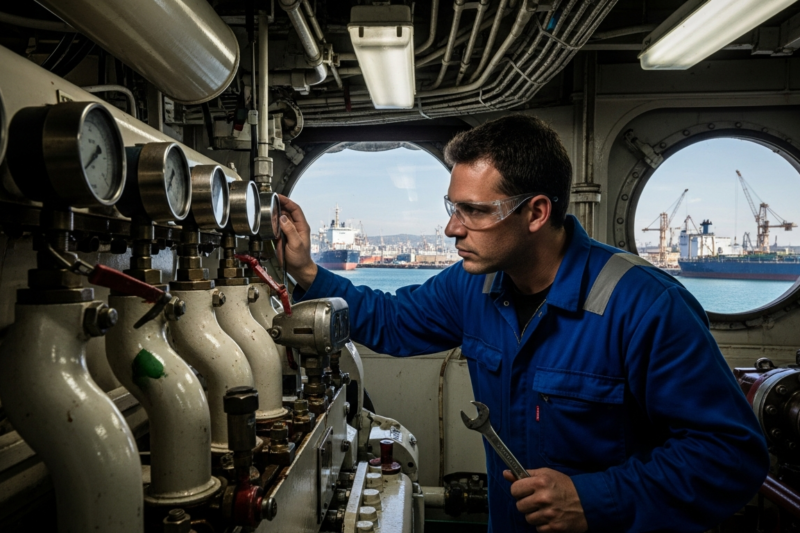
- Chief Engineer (Y2/Y1): €8,000–€15,000/month, with the largest motoryachts paying significantly more.
- Chef (sole, 40–60m): €4,500–€7,500/month. Charter-experienced chefs at the top of the range.
- Head Chef (large guest counts): €7,000–€12,000/month plus charter bonus.
For how this compares to shore-based maritime careers in Cyprus, see our overview of Limassol port and shipping jobs.
Job hunting at work? We won’t tell. Try Busy Simulator — instant fake-meeting sounds so your screen looks deeply important.
Getting started: the certifications you actually need
Two pieces of paper are non-negotiable to step on board commercially:
- STCW Basic Safety Training — five days of fire-fighting, sea survival, first aid, and personal safety. Available in Cyprus through several MCA-approved providers; €700–€1,000.
- ENG1 Medical Fitness Certificate — issued by an MCA-approved doctor; valid two years. Limassol has several approved practitioners; expect €120–€180.
Beyond those, the pieces that lift your earning potential most as a junior crew member are:
- For deck: RYA Powerboat Level 2 (one weekend), Personal Watercraft (PWC) ticket, and AEC Phase 1 engineering. Each costs a few hundred euros and is essentially expected at the second job onwards.
- For interior: The GUEST Yacht Interior programme (Yacht Stewardess Foundation through to Chief Stew modules). Wine and barista courses pay back fast on charter boats.
- For engineering: Y-tickets via MCA — Y4 entry, ascending to Y1 for the largest vessels.
The single fastest path to your first job from Limassol is: STCW + ENG1 + Powerboat Level 2 + a smart CV and willingness to dockwalk for two weeks during the spring fit-out season (March–May).
Routes, seasons, and what the year looks like
Boats based out of Limassol typically follow one of three patterns:
Eastern Med summer / Caribbean winter. The classic charter pattern: Cyprus, Greek islands, Croatia, Italy in May–October; cross to the Caribbean for the November–April winter season. High earnings, long days, very high tip potential.
Eastern Med summer / Limassol winter. Boats that lay up in Limassol Marina for fit-out and refit during winter. Lower tips but more predictable hours and the option to live ashore in your own apartment between contracts.
Year-round private use. Owner-operated yachts that stay in the region; quieter, more relationship-driven, less seasonal volatility.
Knowing which pattern a boat follows is essential before signing a contract — the lifestyle differences are huge.
How to find your first job
Three channels still produce most of the first jobs from Limassol Marina in 2026:
- Established crew agencies. Register with two or three reputable international agencies. They will not place a green crew member on a 90m boat, but they will get you on a 30–45m yacht where you can build a track record.
- Dockwalking during fit-out season. Print 30 CVs, walk the marina from 8am dressed cleanly, ask politely if any captain or mate is hiring daywork. Daywork (€100–€150 per day, ad hoc) is how the majority of first jobs start. Two weeks of consistent dockwalking in March–April typically produces an offer.
- Crew Facebook groups and WhatsApp networks. Less polished, but how a lot of last-minute hires happen. The “Yachting Pages” jobs board still works.
Whatever channel you use, your CV must be the standard one-page yachting format with passport-style photo top right. This is non-negotiable in the industry and very different from a corporate CV.
The realities crew don’t always tell you
Yachting pays well but extracts a real lifestyle cost. Honest perspective worth hearing before you commit:
- Hours during charter are routinely 14–18 per day, six to seven days a week. Off-charter is much calmer.
- Cabin space is tight. You will share a small cabin with one or two crewmates for months at a time.
- The “no fraternisation” rule is taken seriously on most boats. So is alcohol policy.
- Tax matters. Cyprus residency is the smartest base for many crew because of the favourable tax treatment of seafarer income (see Section 8B of the Income Tax Law and the Merchant Shipping Special Tax Defence rules). Get advice from a Limassol-based seafarer-tax specialist before your first contract — small structuring decisions early on save tens of thousands later.
If you are relocating to Limassol specifically to pursue yachting, our complete Limassol relocation guide covers visas, housing options near the marina, and realistic monthly costs.
Browse current openings on our partner site jobs.com.cy — Cyprus’s largest job board.
Frequently asked questions
Do I need to speak Greek to work as yacht crew from Limassol?
No. The working language on virtually every yacht is English. Russian, Spanish, Italian, French, and German are all useful for guest interaction, especially on charter boats.
What ages do yacht crew typically start at?
Most green deck and interior crew are 19–28. There is no upper age limit, but the physical demands of the entry positions favour younger candidates. Engineering and captain career progressions can begin much later — many engineers come from shore careers in their 30s.
Can non-EU citizens work on Cyprus-flagged yachts from Limassol?
Yes. The Cyprus flag is open to international crew, and the Department of Merchant Shipping issues seaman’s books and discharge documents for foreign crew. You may need a short-stay visa to enter Cyprus for fit-out periods; consult a Limassol immigration lawyer for non-EU specifics.
Are tips really a meaningful part of the pay?
On charter yachts, yes — significantly. Industry convention is roughly 10–20% of the weekly charter fee in tips, split among the crew. A junior crew member on a busy charter season can earn €15,000–€40,000 in tips on top of base salary. Private yachts pay no tips.
How long until I can become a captain?
Realistically 8–12 years from green deckhand to your first command on a 40–50m yacht, depending on how aggressively you pursue tickets and command experience. The captain track is competitive — most who start as deckhands become senior deck or move to engineering instead.
Official Resources